Pre-Event Roof and Gutter Checklist for Event Venues

A roof problem rarely waits for a convenient day. At a venue, even a small leak can threaten sound equipment, catering setups, guest comfort, and the event schedule. A focused pre-event check helps you spot visible trouble early, but it should not be confused with a professional roof inspection.
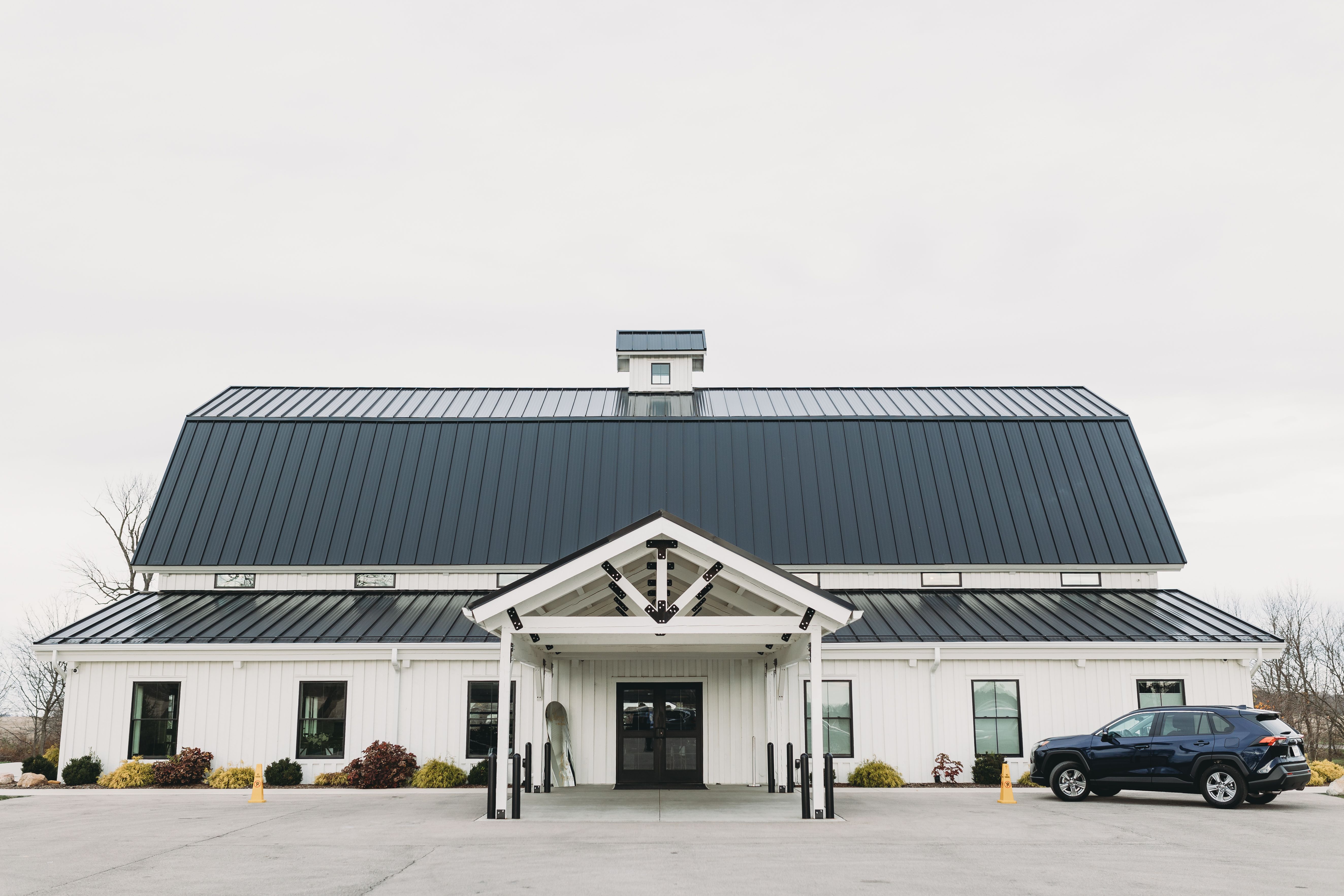
My recommendation: make roof and drainage checks part of the venue’s routine property walk-through, then escalate specific warning signs to a qualified roofing professional. Don’t send event staff onto a roof or up a ladder to make the checklist feel more thorough.
Start outside, and keep the inspection on the ground
Walk the full perimeter in daylight. Look for shingles or tiles out of alignment, missing pieces, bent or separated flashing, sagging gutters, loose downspouts, and debris lodged along the roof edge. Pay special attention to roof valleys, eaves, and places where walls or equipment meet the roof; these transitions can be easy to miss from a doorway.
Use binoculars or zoomed phone photos rather than climbing. Compare photos with earlier walk-throughs if available: a new stain, shifted tile, or sagging section matters more than a mark that has looked unchanged for years. The National Weather Service recommends keeping roofing materials maintained and clearing clogged gutters and downspouts as part of wind preparation.
Do not treat a dry forecast as proof that the roof is sound. A loose tile or split seal may only show its consequences during wind-driven rain, when water can travel before it appears indoors.
Trace the water’s route, not just the gutter
Gutters only help if water can pass through them and leave the building. Check visible runs for leaves, seed pods, standing debris, pulled-away hangers, open seams, and downspouts that have disconnected or are dumping water beside the foundation. Confirm that splash blocks or extensions direct runoff away from guest entrances, tent areas, walkways, and loading zones.
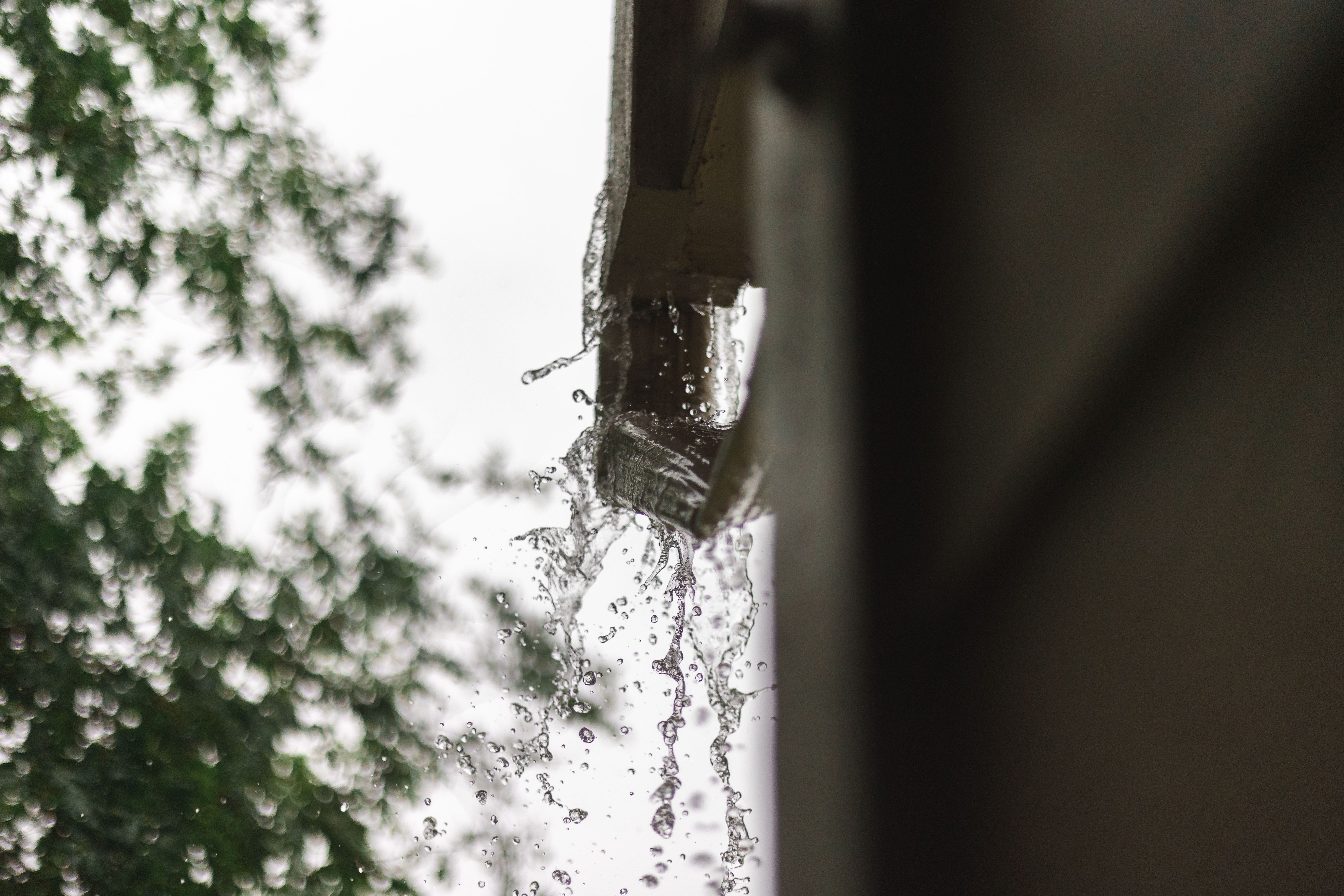
When conditions allow, observe the drainage during ordinary rainfall from a safe location. Overflow in one spot can point to a blockage, poor pitch, undersized drainage, or a damaged connection; the visible symptom does not identify which one. FEMA’s guidance for public facilities notes that clogged or damaged gutters and downspouts can fail to carry water away from the roof and building, and recommends routine inspection and cleaning.
That distinction matters at venues: a clear gutter is not a promise that extreme rainfall will be handled. FEMA notes that roof drainage systems are often designed for regular rainfall and may be overwhelmed during extreme events. If your property has a history of ponding or runoff toward the building, ask a professional to assess capacity and discharge locations rather than relying on another round of debris removal.
Look inside for evidence the outside walk-through may miss
Check ceilings, upper walls, attic-access areas, and rooms beneath roof penetrations for fresh water marks, peeling paint, bubbling, musty odors, or damp insulation. Include spaces that will be occupied or hold valuable equipment: a leak over a storage room still becomes an event problem if that room contains linens, lighting, or electrical gear.
Photograph anything suspicious and note the room, location, and date. If water is near lighting, outlets, wiring, or other electrical equipment, keep people out and contact the appropriate building professional. Don’t cover a stain with a temporary fix and assume the source has been addressed; water can travel from its entry point before appearing indoors.

When to stop the checklist and call a roofer
Arrange a professional assessment if you find missing or cracked roofing, loose or lifted edges, separated flashing, recurring leaks, sagging gutters, water collecting on a low-slope roof, or signs of damage after strong winds. FEMA recommends roof inspections at least twice a year, generally in spring and fall, and after high-wind events. Those routine checks are a better baseline than trying to arrange a roof visit only when a large event is around the corner.
Roof inspection and repair involve fall hazards. OSHA’s guidance for roof work describes the need for suitable fall-protection systems and safe access. For event staff, that means the boundary is straightforward: observe from the ground, record what you see, and leave roof access, repairs, and technical assessments to properly equipped professionals.
If the property is in Tampa, a venue manager can contact Westfall Roofing in Tampa, FL to discuss a roof concern or arrange professional service. Wherever the venue is located, ask the contractor to document the issue, the recommended repair, and whether the affected area can safely remain in use until work is completed.
Make a decision before guests arrive
- Routine condition, no active signs: Record the walk-through and continue scheduled maintenance.
- Visible defect, no active leak: Call a qualified roofer promptly and ask whether the affected area needs temporary protection or restricted access.
- Active leak, loose material, or water near electrical equipment: Keep guests and staff clear of the area, protect equipment only if it can be done safely, and get professional help. Move the event footprint or postpone if the hazard cannot be isolated.
- Severe weather expected: Monitor local alerts and follow local officials’ directions. Don’t assume a sound-looking roof makes outdoor guest areas safe in high winds or flooding.
For a rain-risk event, assign one staff member to monitor the forecast and another to know the venue’s alternate indoor layout. Keep tables, staging, and electrical equipment away from known leak points and low areas where runoff has collected before. If water starts entering the building, prioritize keeping people away from the affected zone over saving a setup.
A short checklist, used at the right level
- Walk the perimeter and photograph visible roof, flashing, gutter, and downspout concerns.
- Check that gutters and ground-level drains are clear where staff can reach them safely.
- Confirm downspouts discharge away from entrances, foundations, and event routes.
- Inspect ceilings and rooms below the roof for fresh signs of water intrusion.
- Review recent contractor notes and confirm any flagged repair has actually been completed.
- Set a weather-monitoring contact, an alternate event layout, and a clear stop-use rule for leaks or falling debris.
The useful pre-event question is not “Does the roof look fine?” It is “What evidence would make us change the setup, call a professional, or stop using part of the venue?” A documented answer is worth more than a last-minute climb to the roof.
Scope and safety note
This checklist draws on FEMA roof-system and facility guidance, National Weather Service wind-preparation advice, and OSHA material on roof-work hazards. It is intended for venue operators’ visual walk-throughs, not to diagnose roof condition, assess structural safety, or replace local emergency instructions and professional inspection.